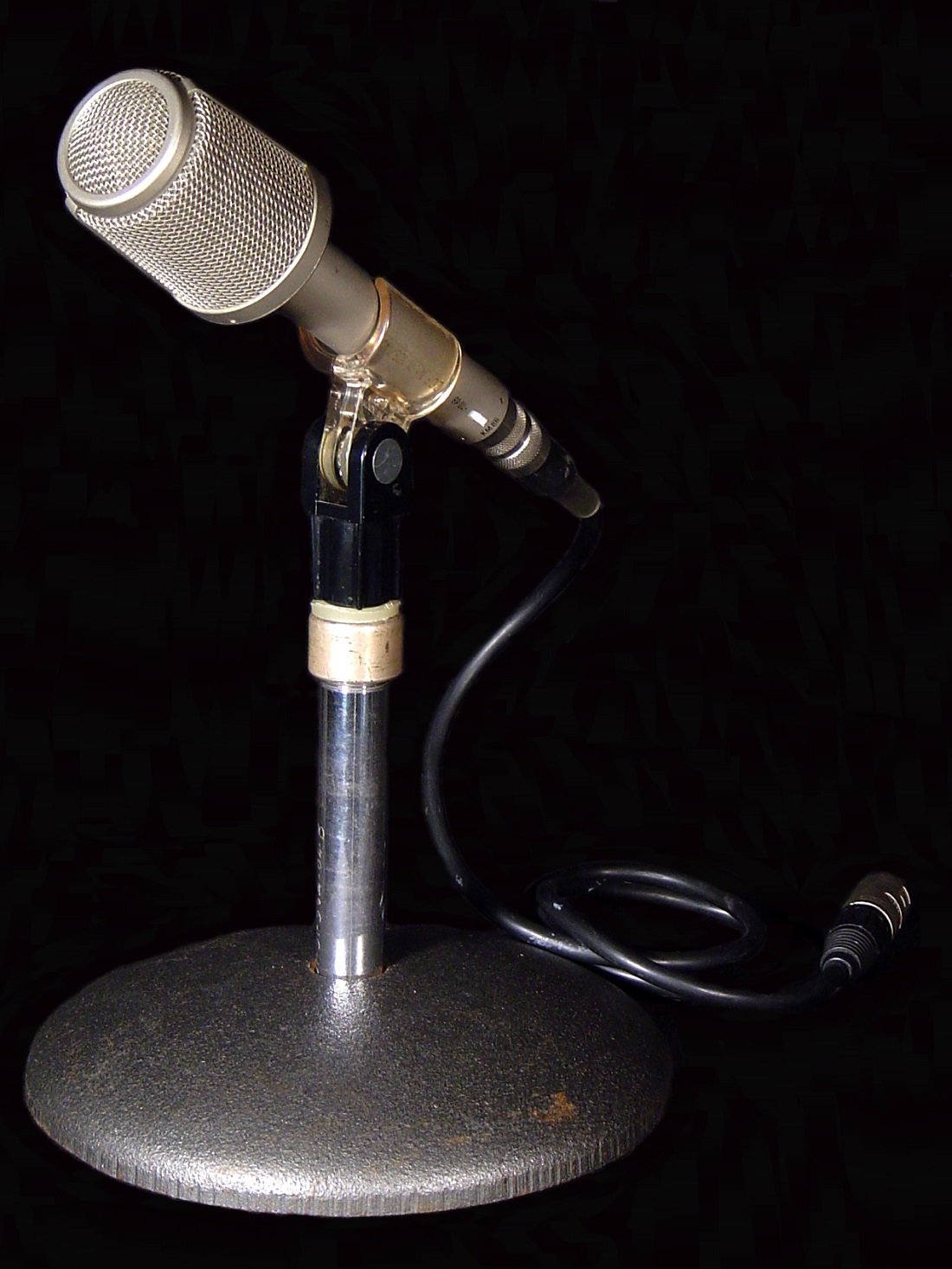
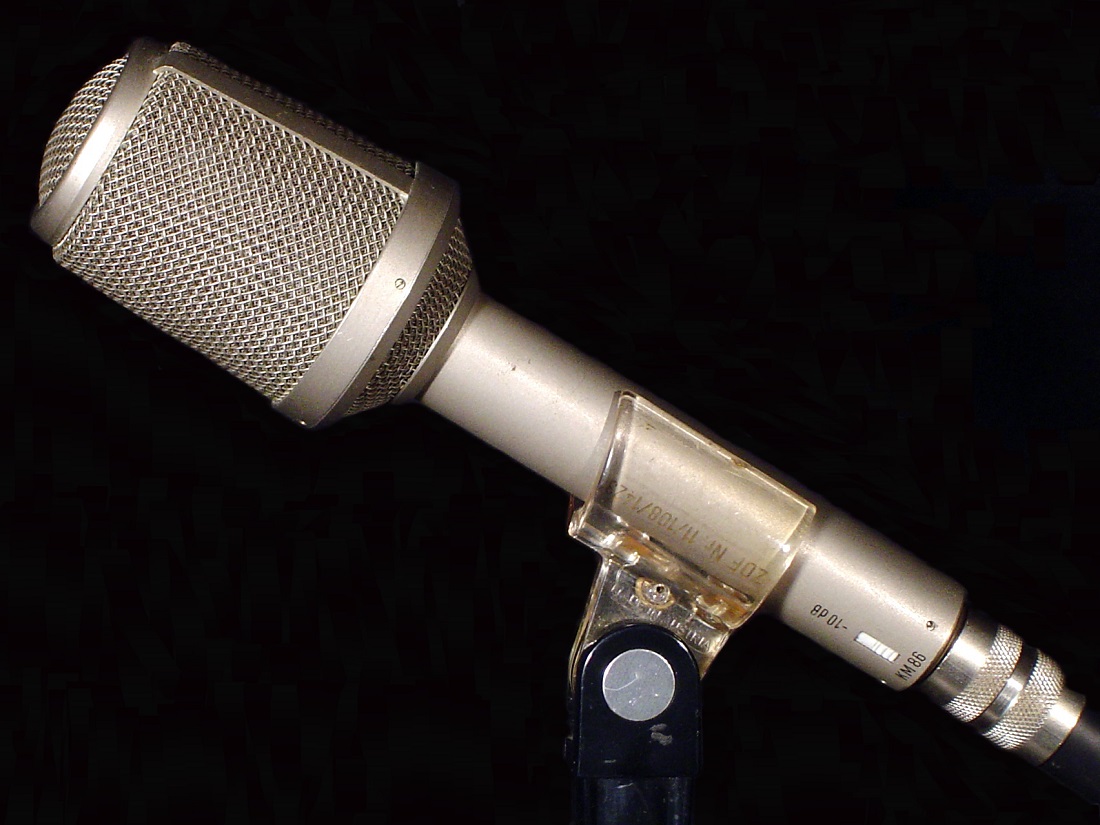
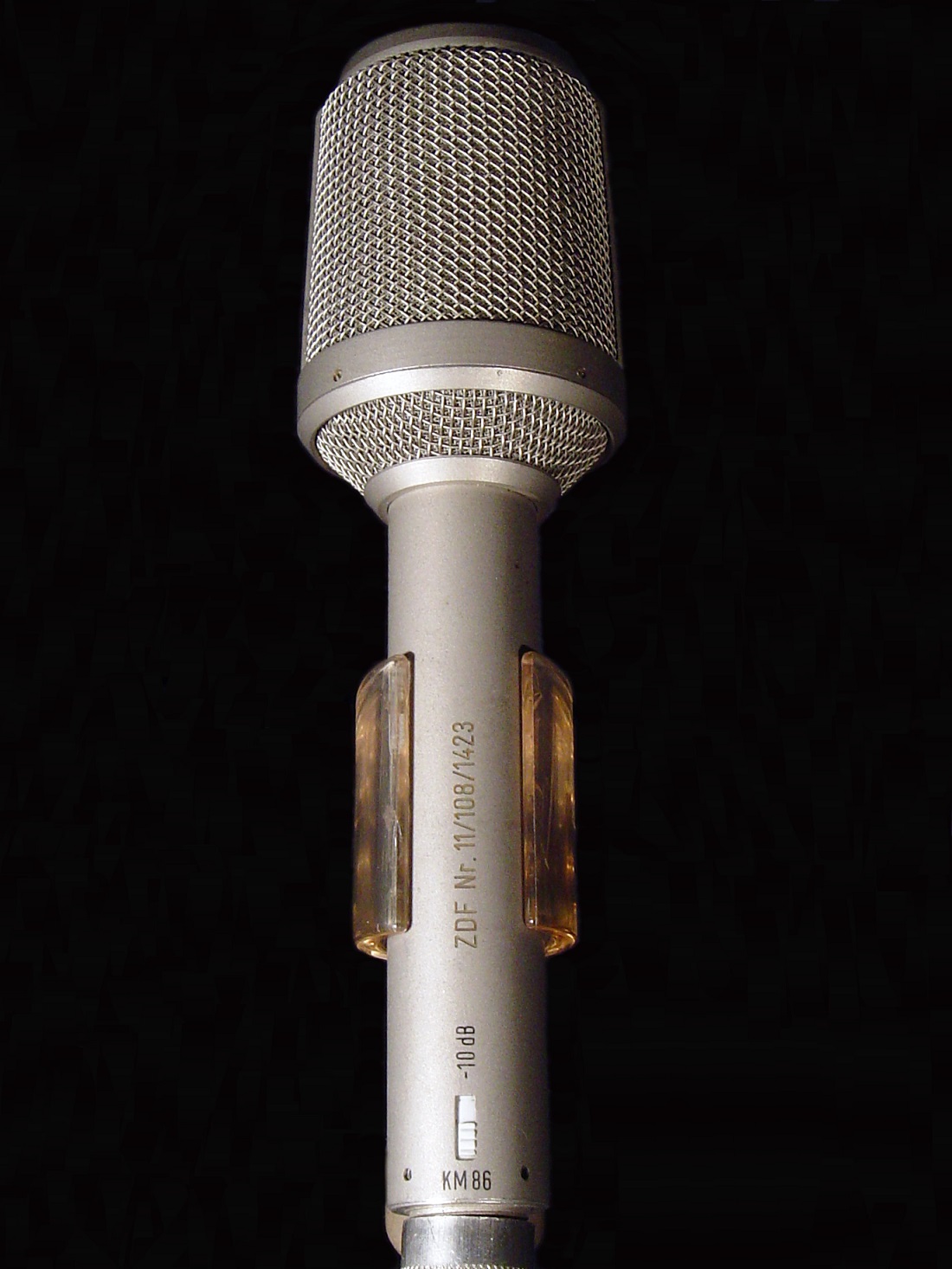
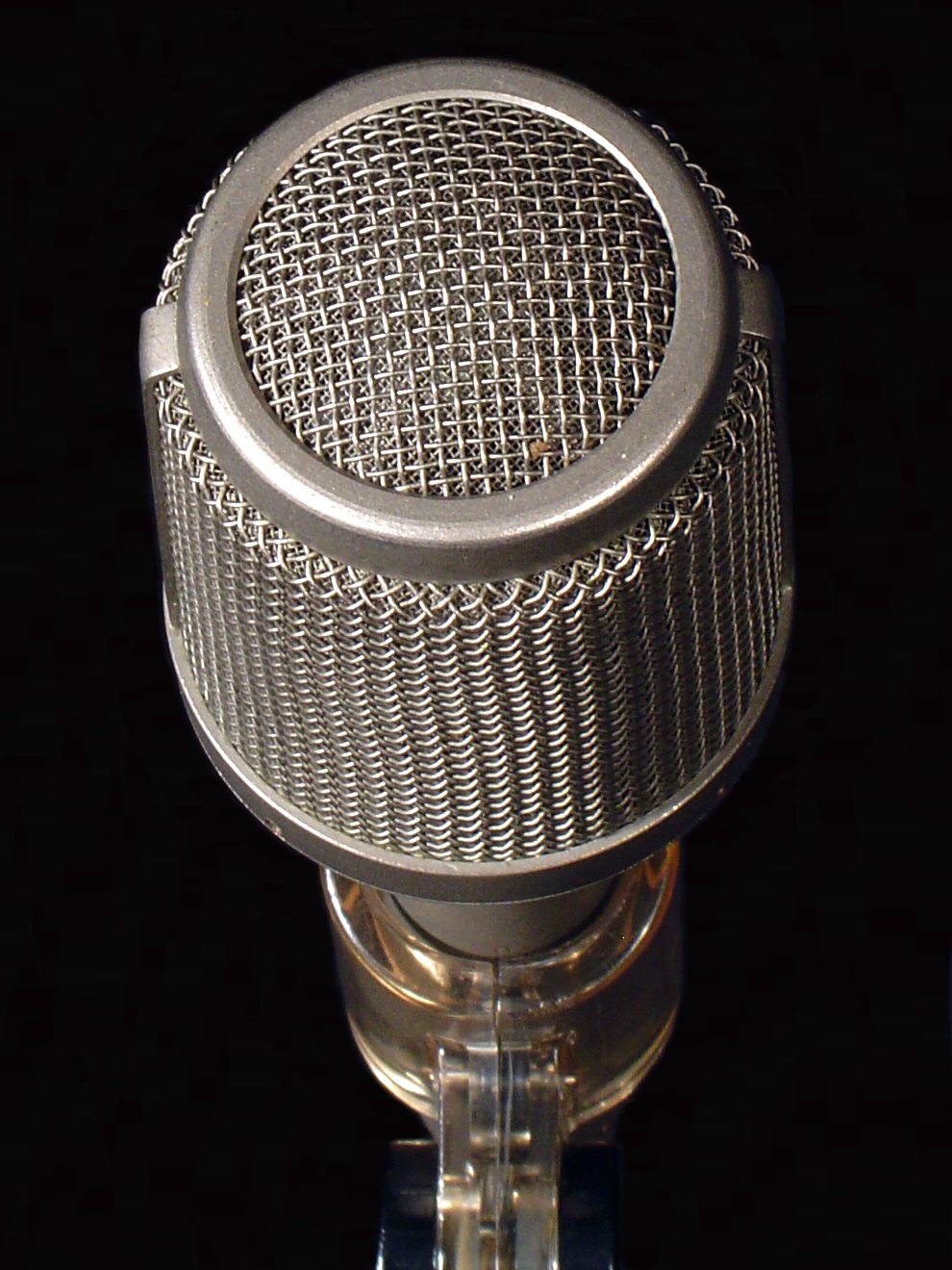
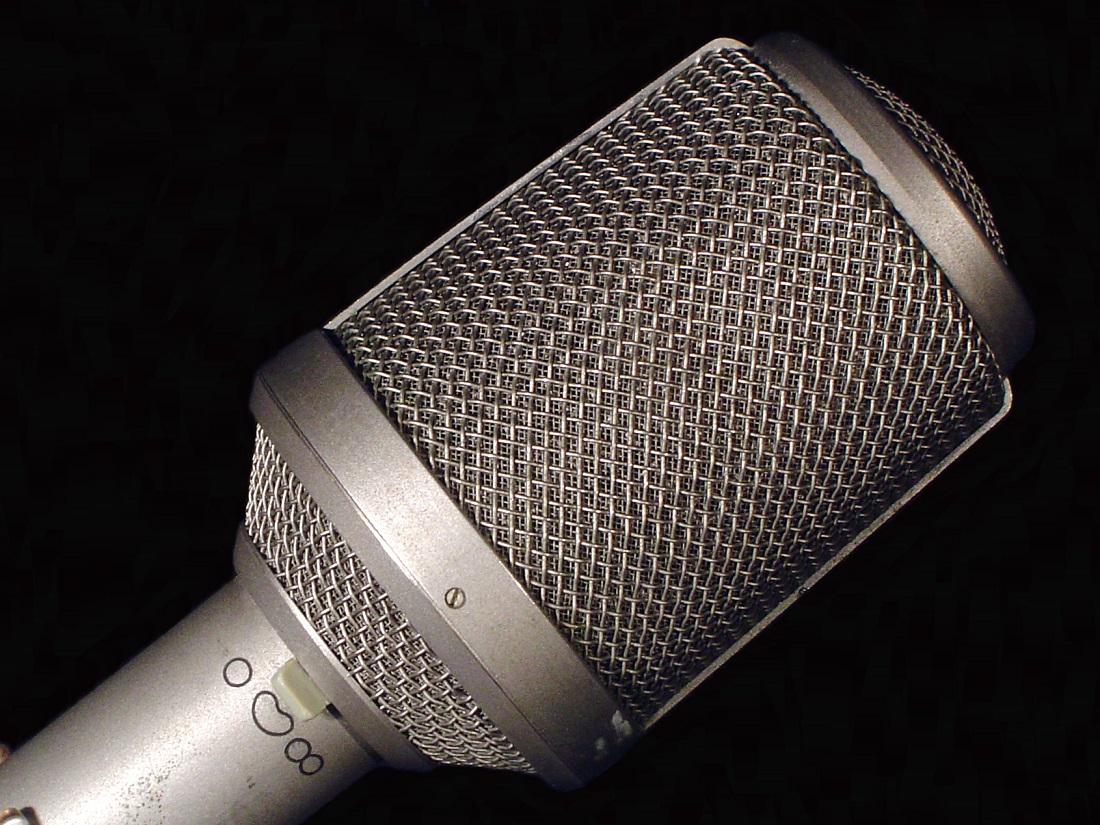
Neumann KM86
1969 - Microphone
see more
![objecto]()
![objecto]()
![objecto]()
![objecto]()
![objecto]()
+
-
© RTP
+
-
© RTP
+
-
© RTP
+
-
© RTP
+
-
© RTP
How do you felt?
-
0 Happy -
0 Astonished -
0 Sadness -
0 Laughter
Neumann KM86
1969
- Microphone
Condenser microphone, switchable, with 3 directional features: omnidirectional, cardioid and figure-of-8.
Features two cardioid (KK84) single-diaphragm capsules, mounted back-to-back.
Pickup patterns:
Omnidirectional: 9.5 mV/Pa; 40 - 16,000 Hz
Cardioid: 7 mV/Pa; 40 - 16,000 Hz
Bidirectional: 7 mV/Pa; 40 - 16,000 Hz
Pads & Filters:
Pad: -10dB (Via Switch)
Impedance: 200 Ω
SPL: max 131 dB
Self-noise: 19.0 dB(A)
Phantom-power supply: 48 ± 4v
Frequency range: 40 - 16,000 Hz
Output level: c. 0.7 mV/µb
Load impedance: ≥ 1000 / 250 Ω
Source impedance: ≤ 200 / 50 Ω
Capacitance of the capsule: 2 x approx. 34 pF
The prefix 'KM' stands for Kleine Mikrofon, which means "small microphone". The numbers that appear below have the following meaning:
Powering:
KM 5x = AC 701 Tube, (metal diaphragm)
KM 6x = Tube AC 701, (plastic diaphragm)
KM 7x = 12-volt AB power supply, without transformer
KM 8x = phantom power supply (FET)
Standard (capsule)
KM x3 = Omnidirectional
KM x4 = Cardioid
KM x5 = Cardioid with bass reduction
KM x6 = Switchable multiple pattern (O/C or O/C/8)
It is a microphone used in studio, stage and in music recording.
The KM86, considered the successor model of the KM66, was available in two colours, with two possible output connectors, producing four possible configurations:
KM 86 - 3-pin Binder/Tuchel connector, silver/nickel finish, 175mm long
KM 86 i - 3-pin XLR jack, silver/nickel finish, 185mm long
KM 86 mt - 3-pin Binder/Tuchel jack, dark matte grey finish, 175mm long
KM 86 i mt - 3-pin XLR jack, dark matte grey finish, 185mm long
Sound: Rádio Clube Português: A Pioneer in Nighttime Broadcasting (April 21, 1971).
In 1928, Georg Neumann founded Georg Neumann GmbH , Neumann, in Berlin (Germany).
Also in 1969
- 13 of August - The Apollo 11 astronauts are released from a three-week quarantine to enjoy a ticker tape parade in New York City That evening, at a state dinner in Los Angeles, they are awarded the Presidential Medal of Freedom by U.S. President Richard Nixon.
- 14 of October - The United Kingdom introduces the British fifty-pence coin, which replaces, over the following years, the British ten-shilling note, in anticipation of the decimalization of the British currency in 1971, and the abolition of the shilling as a unit of curr
- 13 of June - Governor of Texas Preston Smith signs a bill into law converting the former Southwest Center for Advanced Studies, originally founded as a research arm of Texas Instruments, into the University of Texas at Dallas.
Ampex BCC4
1976 - Televison Camera
see more
Ampex AVC Vista 10
1980 - Video Mixing Console
see more
Ampex VPR6
1984 - Video Recorder
see more
Ampex ADO2000
1987 - Video Effects Console
see more
Ampex CVR50P
1988 - Video Recorder
see more
Amplivox Audiocups
1969 - Headphones
see more
Angenieux 20 x B
Lens
see more
Angenieux Type 20 x 12B
1966 - Lens
see more
Angenieux Desconhecido
1970 - Lens
see more
Arriflex 16
1952 - Film Camera
see more
Arriflex 16M
1960 - Film Camera
see more
Arriflex 16
1962 - Sound Proof Blimp
see more